
Zanzibar gem plant: origin, Zanzibar connection, and why it’s so popular
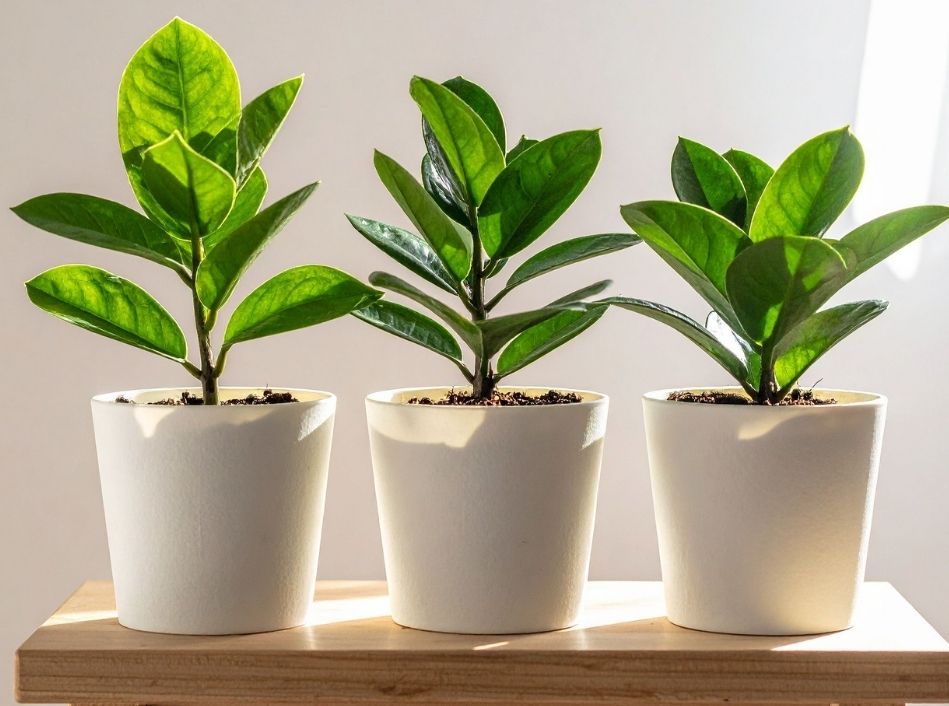
The zanzibar gem plant is famous for its glossy leaves and “almost unkillable” reputation. But beyond being a stylish houseplant, it has a real East African story—one that links to the wider coastal region that includes Tanzania and the Zanzibar Archipelago. In this article, you’ll learn where the plant comes from, why it’s associated with Zanzibar by name, and what to know if you’re curious about plants while exploring Zanzibar.
What is the zanzibar gem plant?
The zanzibar gem plant is commonly known worldwide as the ZZ plant. Botanically, it’s a tough, drought-tolerant plant that stores water in thick underground rhizomes (a kind of swollen stem). That water-storage feature is the reason it can go for long periods with minimal attention, making it popular in homes, hotels, offices, and reception areas.
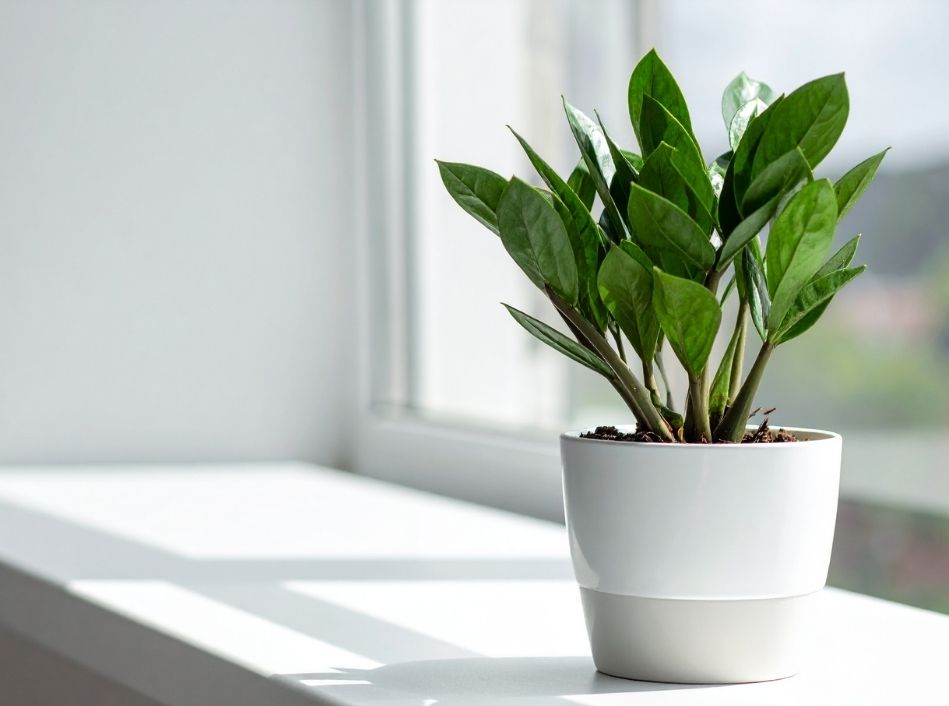
Origin: where the plant comes from
The plant’s natural home is in parts of eastern and southeastern Africa. In the wild, it grows in environments that can be dry for long stretches, so it evolved to conserve water and survive with limited rainfall. That background explains its “resilient” personality as an indoor plant: it doesn’t like constantly wet soil, and it does best when allowed to dry out between waterings.
The origin story matters for care: the zanzibar gem plant is built for drought and recovery, not for daily watering.
Why it’s called “Zanzibar” gem
Many people assume the zanzibar gem plant is native only to Zanzibar. In reality, the “Zanzibar” part of the name is best understood as a trade-and-region label tied to East Africa’s coast—Zanzibar historically served as a major hub where goods, plants, and cultural influences moved through the Indian Ocean routes. Over time, plants associated with the wider region were often marketed using recognizable coastal names, and “Zanzibar” became one of the most famous.
The “gem” part fits the plant’s appearance: thick, glossy leaflets that look almost polished, like a green gemstone in a pot.
Zanzibar context: climate, gardens, and plant culture
Zanzibar’s climate is warm and coastal, shaped by sea हवा and seasonal rains. When you walk through Stone Town’s courtyards, hotel gardens, and beach resort landscapes, you’ll notice how tropical plants are used for shade, privacy, and beauty—palms, flowering shrubs, climbing vines, and lush green corners that soften the coral-stone architecture.
While the zanzibar gem plant is most famous as an indoor plant worldwide, its popularity fits Zanzibar’s style well: simple, clean, and resilient. It’s the kind of plant that complements the island’s relaxed design aesthetic—white walls, natural textures, and greenery that feels calm rather than crowded.
Why it thrives indoors (quick care explanation)
Light
It adapts well. Bright, indirect light helps it grow steadily, but it can tolerate lower light too (growth will be slower).
Water
Water only when the soil dries out well. Overwatering is the most common reason leaves turn yellow or stems soften.
Soil
Use a fast-draining mix and a pot with drainage holes. This matches how it survives in drier native habitats.
Maintenance
Wipe leaves occasionally to keep them glossy. Repot only when root-bound; it prefers being slightly snug.
FAQ
Is the zanzibar gem plant actually from Zanzibar?
The name strongly connects to Zanzibar and the East African coast, but the plant’s natural range is broader within eastern and southeastern Africa. “Zanzibar” is best seen as a regional/trade label that became popular in global plant marketing.
Why is it called a “gem” plant?
Because of its glossy, polished-looking leaves and the way it holds a neat, sculptural form—like a green gemstone used in interior styling.
What’s the biggest mistake people make with a zanzibar gem plant?
Overwatering. Let the potting mix dry out well before watering again, and always use a pot with drainage.